HC quashes execution proceedings in cheque bounce case after compromise, says Magistrate became functus officio after acquittal



11/07/2026
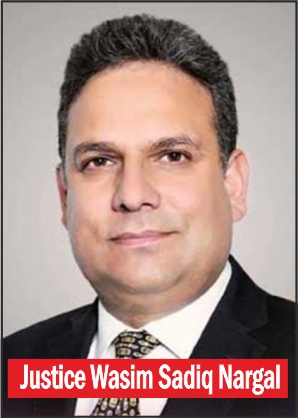
JAMMU, Jul 10: The High Court of Jammu & Kashmir and Ladakh has quashed execution proceedings initiated by a Chief Judicial Magistrate in a cheque dishonour case, holding that once the complaint was disposed of on the basis of a compromise and the accused was acquitted, the criminal court became functus officio and had no jurisdiction to entertain execution proceedings for enforcement of the settlement.
Justice Wasim Sadiq Nargal passed the judgment while partly allowing a petition filed by Gulla Ganie alias Gulzar Ahmad Ganie of Budgam against Ghulam Qadir Sheikh. The petitioner was represented by Advocate Irshad Rasheed.
The petitioner challenged the execution proceedings initiated by the Chief Judicial Magistrate, Budgam, through an order dated November 17, 2025, and the consequential attachment order dated June 5, 2026, after a complaint under Section 138 of the Negotiable Instruments Act had already been dismissed on the basis of a compromise and the accused acquitted on July 26, 2024.
According to the case, the parties had entered into a compromise during the pendency of the cheque bounce complaint, under which the petitioner agreed to pay Rs. 6.60 lakh while the respondent agreed to provide a patch of land. The trial court recorded the compromise, dismissed the complaint and acquitted the accused. Subsequently, alleging breach of the settlement, the complainant sought execution proceedings before the same Magistrate.
Allowing the petition, Justice Nargal held that once the criminal complaint had been finally disposed of, the Magistrate had exhausted the jurisdiction vested in the court and could not reopen the matter by invoking coercive execution proceedings.
The Court observed that "upon passing the order dismissing the complaint under Section 138 of the Negotiable Instruments Act and formally acquitting the petitioner, the criminal proceedings stood concluded and the learned Chief Judicial Magistrate became functus officio."
The Court further held that recovery provisions under Sections 421 and 431 of the Code of Criminal Procedure become available only where the judicial order itself contains an executable direction. Since the compromise order merely recorded the settlement and did not direct recovery of any amount or compensation as a fine, no execution proceedings could legally be initiated.
Justice Nargal clarified that the judgment does not decide the validity of the compromise or the alleged breach of its terms and does not prevent the respondent from pursuing any other remedy available under law for enforcement of rights arising from the settlement. Those issues, the Court said, are required to be decided by the competent forum independently.
Accordingly, the High Court quashed the execution proceedings initiated by the Chief Judicial Magistrate, Budgam, along with the consequential attachment order dated June 5, 2026, while leaving it open to the respondent to seek appropriate relief before the competent forum in accordance with law.
Share This Story |
|
Comment On This Story |
|
|
|
|